The Ingredients in Commercial Sunscreen
A closer look at Neutrogena SPF 35
Sunscreen is marketed as an everyday essential — lightweight, protective, effortless. But when it comes to commercial sunscreens, the ingredient list often tells a more complex story.
Using Neutrogena SPF 35, a widely available drugstore sunscreen, as an example, let’s look at what’s inside, why these ingredients are used, and what concerns are commonly discussed.
Active UV Filters (Chemical Sunscreen)
Most Neutrogena SPF 35 products rely on chemical UV filters, which absorb UV radiation and convert it into heat.
1. Avobenzone
Purpose: UVA protection (aging rays)
Concerns:
- Unstable when exposed to sunlight unless stabilized
- Can degrade and form byproducts
- May cause skin irritation in sensitive skin
2. Homosalate
Purpose: UVB protection (burning rays)
Concerns:
- Can penetrate the skin
- Suspected endocrine (hormone) disruption
- Restricted in concentration in the EU
3. Octisalate
Purpose: UVB protection and stabilizer
Concerns:
- Mild skin irritation for some users
- Environmental persistence – environmental pollution
4. Octocrylene
Purpose: UVB protection and stabilizes avobenzone
Concerns:
- Can break down into benzophenone over time
- Benzophenone is classified as potentially carcinogenic
- Frequently detected in waterways
Inactive Ingredients (Often Overlooked)
These ingredients don’t protect against the sun — but they affect texture, shelf life, and absorption.
Fragrance (Parfum)
Purpose: Cosmetic appeal
Concerns:
- One of the most common causes of contact dermatitis
- Often undisclosed mixtures of synthetic chemicals
Phenoxyethanol
Purpose: Preservative
Concerns:
- Can irritate skin and eyes
- Restricted in concentration in some regions
Silicones (Dimethicone, Cyclopentasiloxane)
Purpose: Smooth feel, water resistance
Concerns:
- Occlusive, can trap heat and impurities
- Environmental persistence
Acrylates and Synthetic Polymers
Purpose: Film-forming, long wear
Concerns:
- Microplastic-like behavior
- Do not biodegrade easily
Environmental Impact
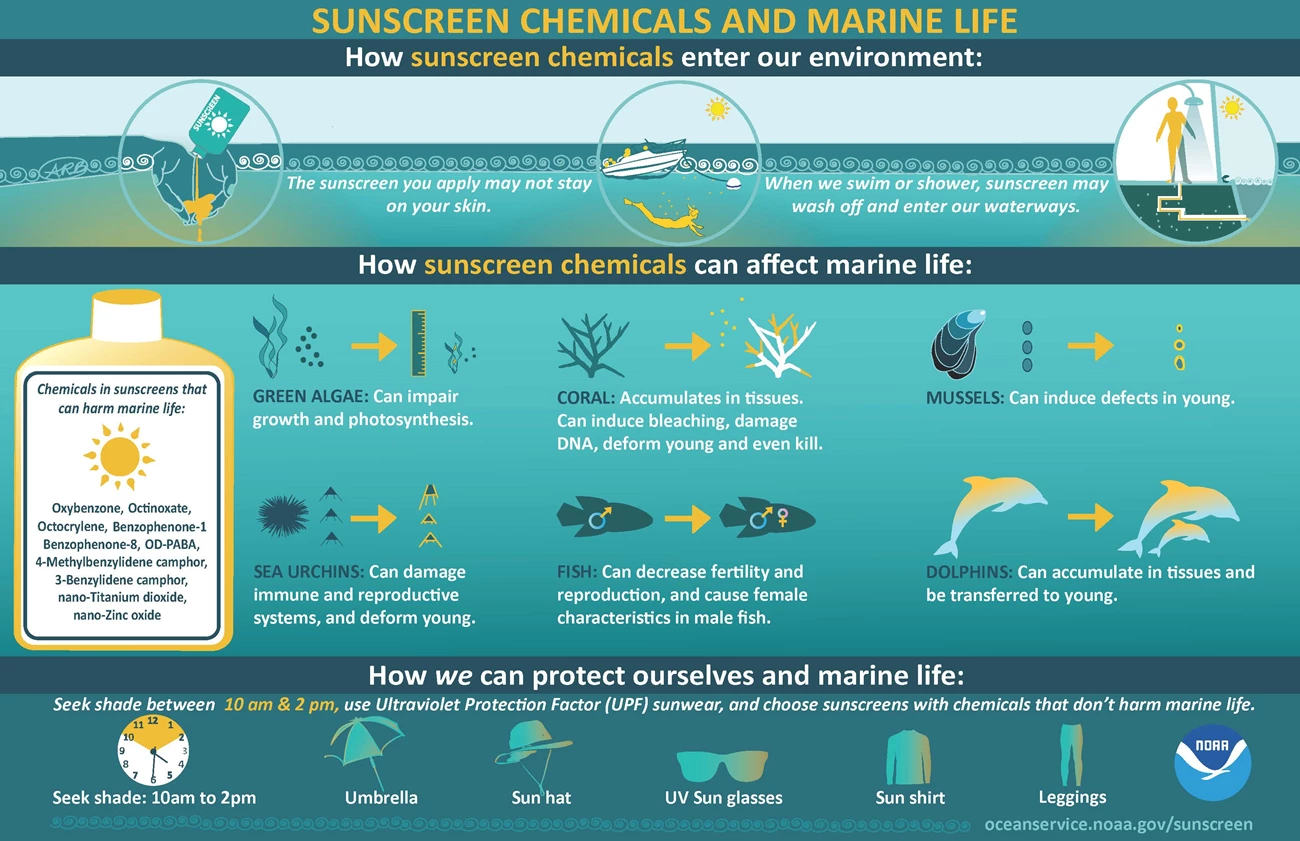
Several chemical UV filters commonly found in commercial sunscreens have been linked to:
- Coral reef damage
- Marine toxicity
- Bioaccumulation in aquatic life
This has led to regional bans on certain filters in places like Hawaii and parts of the EU.
What This Means for Consumers
Commercial sunscreens like Neutrogena SPF 35 are:
- Effective at UV protection
- Affordable and accessible
- Convenient for mass use
However, they may not align with:
- Sensitive skin needs
- Hormone-conscious lifestyles
- Environmentally mindful choices
A More Thoughtful Alternative
Many consumers are now turning to:
- Mineral sunscreens (zinc oxide, titanium dioxide)
- Fragrance-free formulas
- Non-nano, reef-conscious products
Not because sunscreen is bad — but because ingredient transparency matters.
Final Thought
Sunscreen should protect your skin without compromise.
Understanding what’s in your products allows you to choose protection that aligns with your health, values, and lifestyle.
Style isn’t just what we wear — it’s what we put on our skin.
Phenoxyethanol
Where it is restricted, why, and where it is used
Phenoxyethanol is a synthetic preservative commonly used in cosmetics, skincare, and personal care products to prevent the growth of bacteria, yeast, and mold. It became more popular as brands moved away from parabens — but it is not without controversy.
Why Phenoxyethanol Is Restricted
The main concerns around phenoxyethanol are related to skin irritation, toxicity at higher exposure levels, and infant safety.
Scientific assessments have shown that:
- Phenoxyethanol can be absorbed through the skin
- At higher concentrations, it may affect the central nervous system
- It can cause skin irritation, eczema, or allergic reactions, especially on sensitive or compromised skin
Because of this, regulators limit how much can be used.
Where Phenoxyethanol Is Restricted
European Union (EU)
- Restricted to a maximum of 1% concentration
- Allowed only after safety evaluation by the Scientific Committee on Consumer Safety (SCCS)
- Not permitted in products intended for oral use
- Use in leave-on products for infants and young children is discouraged
The EU takes a precautionary approach, meaning ingredients must be proven safe before widespread use.
France (ANSM)
France issued a specific warning regarding phenoxyethanol:
- Not recommended in products for the diaper area of babies under 3 years
- Strongly discouraged in products designed for infants and toddlers
This warning significantly influenced European clean beauty standards.
United States
- No formal concentration limit by the FDA
- Allowed under general cosmetic safety guidelines
- Safety assessments are largely based on industry data
As a result, phenoxyethanol is used more freely in the US than in the EU.
Japan
- Approved for use in cosmetics
- Typically limited to 1% or less
- Closely monitored in infant products
Why Brands Use Phenoxyethanol
Despite restrictions, phenoxyethanol remains popular because it:
- Is effective against bacteria
- Works in both water- and oil-based formulas
- Is stable at high temperatures
- Extends shelf life without altering texture or scent
It is often marketed as a “gentler” alternative to parabens, though this is debated.
Where Else Phenoxyethanol Is Used
Phenoxyethanol appears in many everyday products, including:
Personal Care & Cosmetics
- Sunscreens
- Moisturizers and lotions
- Serums and creams
- Makeup (foundations, concealers, mascara)
- Makeup removers
- Baby wipes (outside the EU)
Household Products
- Surface cleaners
- Disinfectant sprays
- Laundry additives
- Fabric softeners
Medical & Pharmaceutical Uses
- Vaccines (as a preservative substitute for thimerosal)
- Antiseptic solutions
- Topical pharmaceutical creams
This wide usage raises concerns about cumulative exposure, especially for people using multiple products daily.
Key Takeaway
Phenoxyethanol is legally permitted, but carefully controlled in regions with stricter cosmetic regulations.
Its presence is not automatically dangerous — but it is not ideal for sensitive skin, infants, or minimal-ingredient lifestyles.
For consumers seeking cleaner formulations, it’s often replaced with:
- Organic acid preservatives
- Fermented ingredients
- Multi-hurdle preservation systems
And so it goes for each and every item in our households. There are toxic ingredients in each item. I can help with that, detox and organize your kitchen and bathroom! More about my SERVICE!