https://www.imdb.com/Title/tt3162938/?utm_source=chatgpt.com
this is a great movie to watch! It’s available on Amazon for 0.99$
What Is Fast Fashion?
Fast fashion is a business model built on producing clothing quickly and cheaply to replicate the latest trends. Brands release large volumes of low-cost, trend-driven garments, often introducing new collections weekly or even daily.
This model prioritizes speed and profit over quality, sustainability, ethical labor practices, and durability. The result is a continuous cycle of overproduction, overconsumption, and waste that is difficult to break.
Brands like H&M, Abercrombie & Fitch, Hollister, Forever 21, Zara and so on.
Why You Should Avoid Fast Fashion
Fast fashion pieces are designed for speed, not longevity. Most garments last only a few months before they lose shape, fade in color, or look worn. They often don’t wash well, require constant ironing to appear acceptable, and quickly stop feeling polished or put together. Seams weaken, fabrics pill, and silhouettes collapse after minimal wear.
What seems inexpensive at first often becomes costly—through frequent replacements, wasted time, and unnecessary consumption. Over time, buying cheap clothing repeatedly costs more than investing in fewer, well-made pieces that last for years.
The Main Criticisms of Fast Fashion
Environmental Impact
Massive Waste
Millions of tons of clothing end up in landfills every year. Most fast fashion items are made from blended or synthetic fibers, which are difficult or impossible to recycle. As a result, garments often sit in landfills for decades.
Excessive Water Use
The fashion industry is one of the largest consumers of water worldwide, placing enormous strain on already water-scarce regions. Producing a single cotton shirt requires approximately 2,700 liters of water—enough drinking water for one person for more than two years.
Pollution
Textile dyeing and finishing release harmful chemicals into rivers and ecosystems. The fashion industry is considered the second-largest polluter of clean water globally, largely due to untreated wastewater from dyeing processes.
Labor Concerns
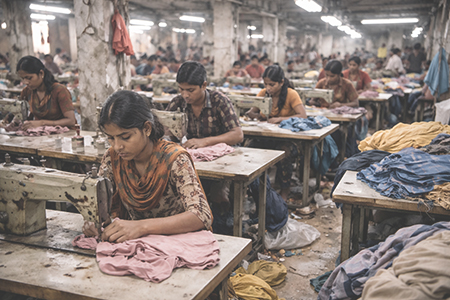
Fast fashion often relies on:
- Poorly paid labor
- Unsafe and unhealthy working conditions
- Excessive working hours
- Limited transparency within global supply chains
Many garments are produced in factories where workers’ rights are not protected and safety standards are ignored, making ethical accountability difficult.
Consumer Culture
Fast fashion promotes a throwaway mindset:
- Encourages constant buying and trend-chasing
- Normalizes clothing being worn only a few times
- Undermines appreciation for quality, craftsmanship, and skilled labor
This culture disconnects consumers from the true value of clothing and turns garments into disposable products.
The Environmental Impact of Fast Fashion in Detail
Resource Consumption
Water
Textile production places enormous pressure on global water resources, particularly in regions already affected by water scarcity. Cotton farming often relies on intensive irrigation, contributing to soil degradation and water shortages.
Energy
Fast fashion depends heavily on synthetic fibers such as polyester, which are derived from fossil fuels. Polyester production emits two to three times more carbon than cotton and significantly contributes to greenhouse gas emissions.
Pollution through fast fashion
Textile Dyeing
Toxic dyes, heavy metals, and finishing chemicals frequently enter rivers and oceans untreated. This pollution harms aquatic life, contaminates drinking water, and poses long-term health risks to local communities.
Microplastics
Washing synthetic fabrics such as polyester, nylon, or acrylic releases microplastics into waterways. These particles do not biodegrade, accumulate in marine ecosystems, and have already entered the global food chain, including human consumption.
Waste and Short Lifespan of fast fashion
An estimated 92 million tons of textile waste are generated globally each year. Due to poor-quality materials and rapidly changing trends, many fast fashion garments are worn only a handful of times before being discarded.
In addition, unsold inventory is often destroyed to protect brand image, further increasing unnecessary waste and emissions.
Choosing Better Style
Avoiding fast fashion is not about perfection—it’s about intention. Small, conscious choices make a difference:
- Buying fewer, higher-quality pieces
- Choosing timeless designs over trends
- Caring properly for clothing to extend its lifespan
- Supporting brands that prioritize transparency and ethical production
Investing in well-made garments supports durability, craftsmanship, and a more thoughtful relationship with clothing.
True style is not disposable.
It lasts longer than trends.